If you have a WorkSafeBC claim, we can handle your physiotherapy direct billing behind the scenes. We just need four quick details before your first visit:
WorkSafeBC Claim Number
Date of your Injury
BC CareCard (PHN)
Name of your Employer
What you might be feeling
From everyday strains to more complex injuries, here’s what we commonly see in WorkSafeBC physiotherapy in Burnaby.
Back & Neck Pain
Pain, stiffness or limited movement after a workplace injury.
Sprains & Strains
Pain or weakness from lifting, twisting or overexertion at work.
Shoulder & Arm Pain
Pain or weakness affecting the shoulder, arm, wrist or hand.
Hip, Knee & Leg Pain
Pain, swelling or weakness affecting your lower body.
Repetitive Strain & Overuse
Gradual pain or irritation from repetitive movements or work demands.
Joint & Tendon Pain
Pain, stiffness or irritation affecting your movement at work.
Pain After a Fall or Impact
Pain, stiffness or limited movement after a workplace accident.
Injury & Surgery Recovery
Reduced strength or mobility after a fracture, injury or surgery.
Ongoing Pain & Weakness
Persistent symptoms affecting movement, strength or daily function.
Our Core Focus
Musculoskeletal Injuries
We assess and treat injuries affecting muscles, joints, ligaments, and tendons, including back and neck pain, sprains, strains, and upper- or lower-limb injuries. Treatment considers both the injured area and how it affects your movement.
Manual Therapy
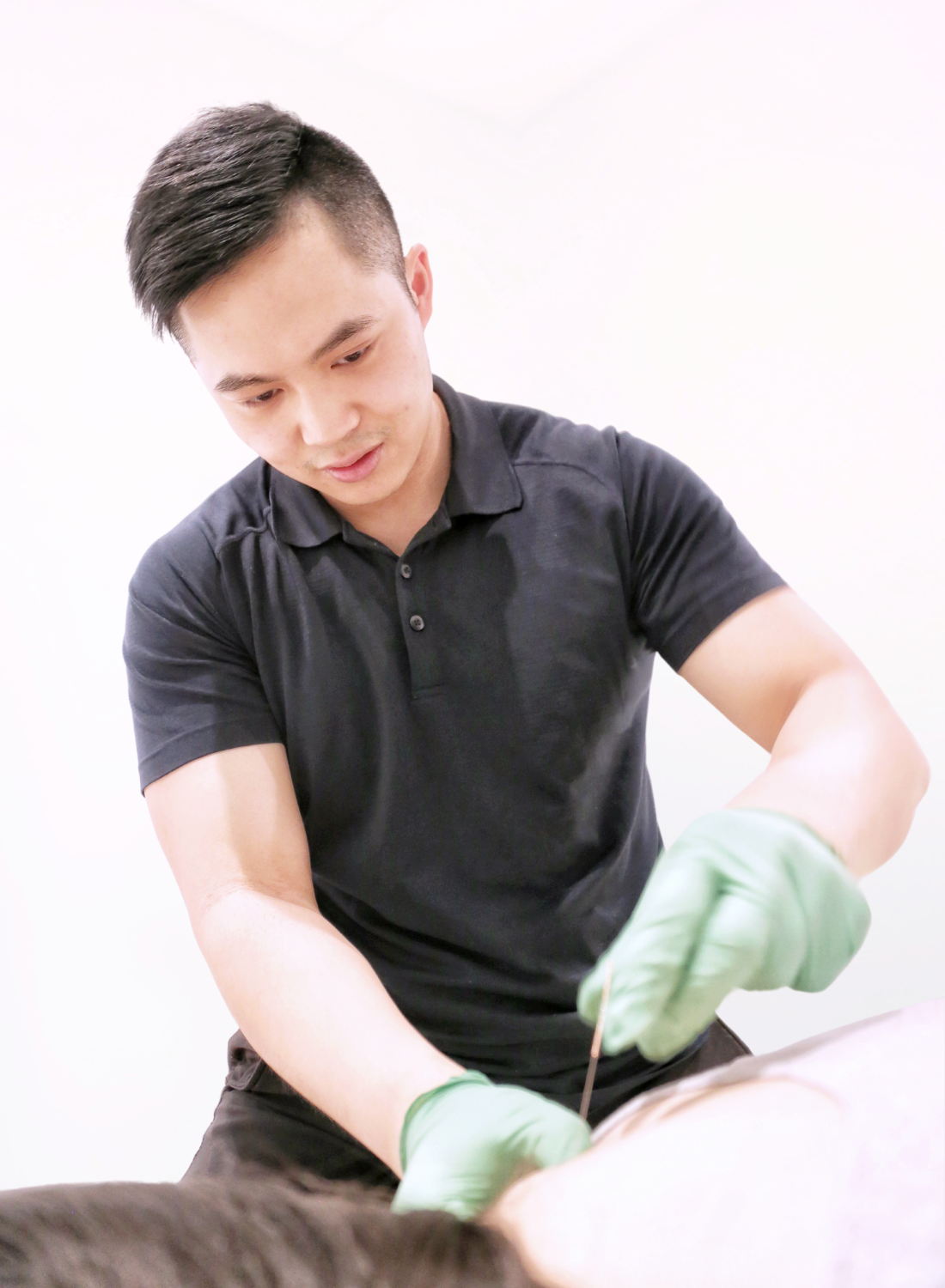
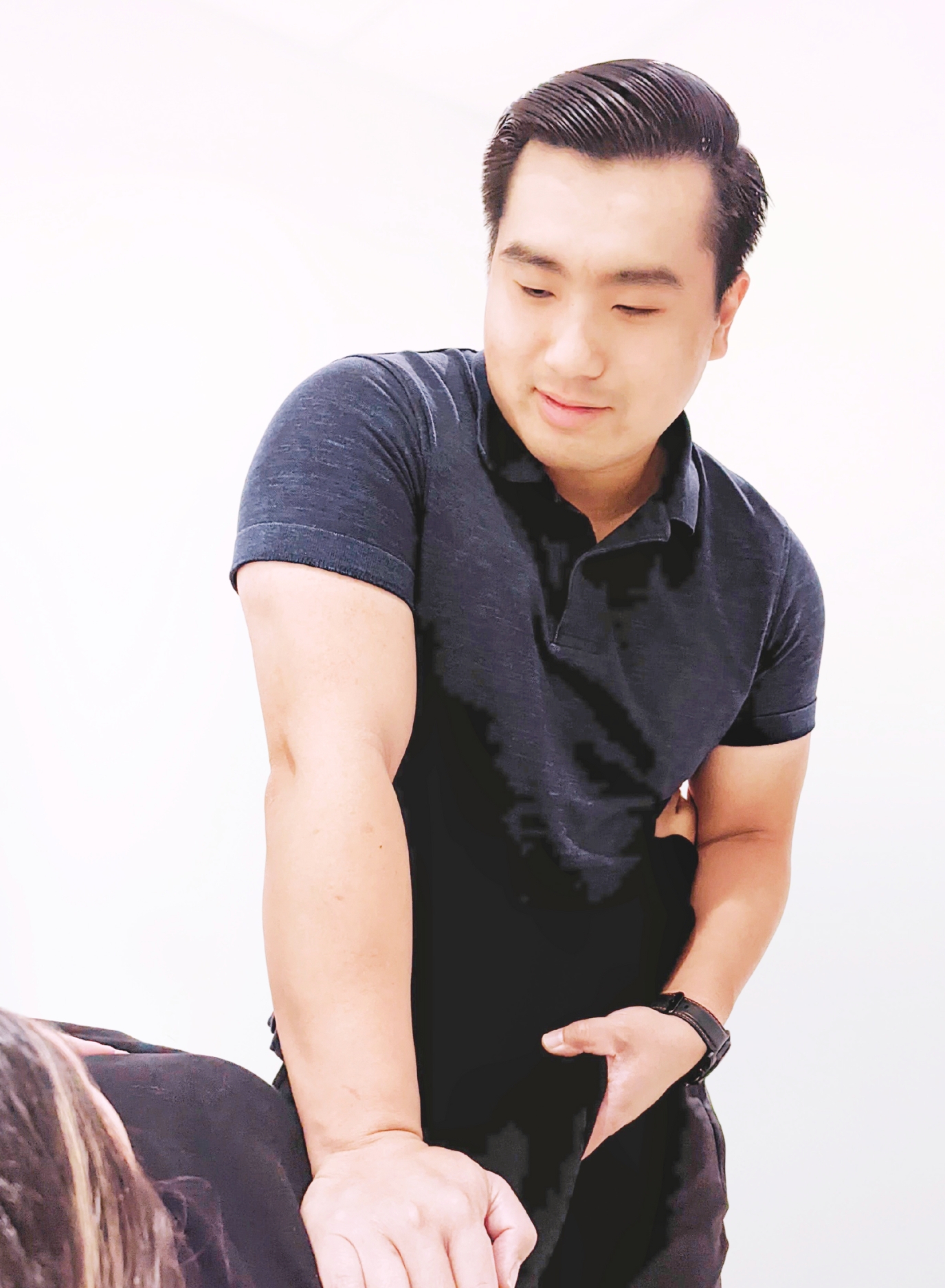
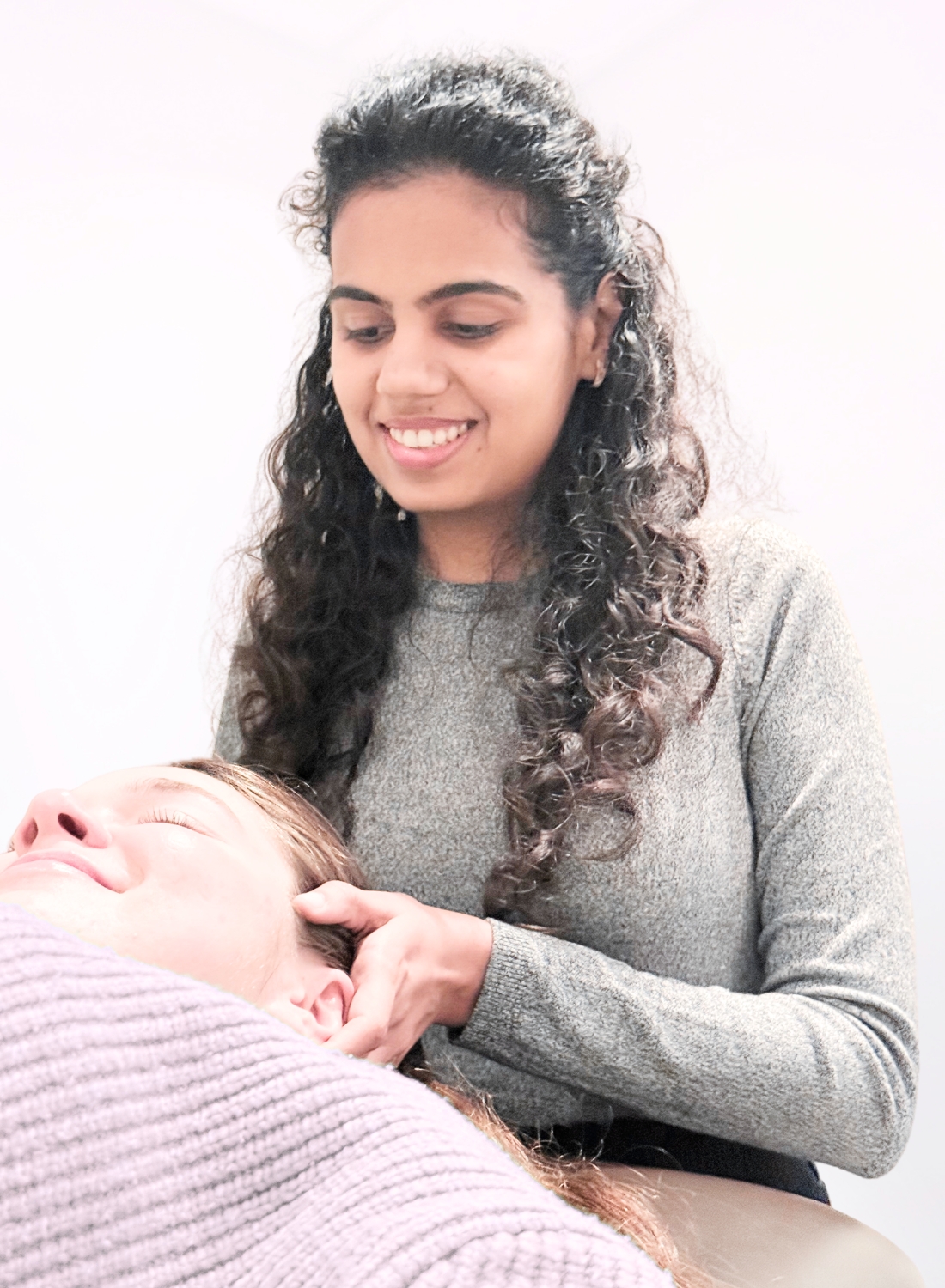
Hands-on techniques, including joint mobilization and soft tissue treatment, may help reduce pain and improve mobility. These approaches are selected according to your needs and used alongside active rehabilitation.
Therapeutic Exercise
Individualized exercise programs address strength, mobility, balance, endurance, and movement control. We tailor exercises to your abilities and the physical activities that matter to you.
Persistent & Complex Pain
When pain lasts longer than expected, we consider the physical, psychological, and social factors that may influence recovery. Care may include pain education, graded activity, and strategies to improve function and confidence in movement.
Post-Surgical & Fracture Rehab
We support recovery following fractures, orthopedic surgery, and more significant workplace injuries. Treatment addresses mobility, strength, and functional limitations while respecting your stage of healing.
Coordinated Care & Referrals
When your recovery calls for additional support, we can help coordinate with your physician, WorkSafeBC claim team, or other healthcare providers. This may include recommendations for specialist assessment, imaging, or other rehabilitation services when appropriate.
SUPPORTING YOUR RETURN TO WORK
When an injury affects your ability to work, recovery can feel like a lot to navigate. We’re here to help you understand where you are, what comes next, and how to move forward safely.
Reach Out
We’ll make getting started simple
Have your WorkSafeBC claim number and injury date ready. Our team will help you get started and take care of the direct billing.
Reach Out
Initial Assessment
Understanding the whole picture
We look at what’s changed since your injury, how you’re moving now, and what your work asks of you.
Initial Assessment
Recovery Plan
Built around what you need
Your physiotherapy treatment takes shape around your injury, your day-to-day function and the demands you’re working toward.
Recovery Plan
Building Capacity
Getting closer to what work requires
As things improve, we gradually build movement, strength and tolerance for the demands that matter to your work.
Building Capacity
Return to Work
Finding your way back
Returning to work is part of recovery. We help you prepare for that transition with a clearer understanding of what your body is ready for.