Our approach to physiotherapy in Burnaby supports the body’s remarkable ability to adapt, repair and find its way forward.
Move smarter. Play stronger.
Whether you’re recovering from an injury, car accident or everyday aches and pains, our physiotherapists help you restore movement, build strength and move forward with less pain.
CONDITIONS WE CAN HELP WITH
• Back and neck pain
• Sprains and strains
• Tendon injuries
• Joint injuries
• Repetitive strain injuries
• Motor vehicle injuries
• Work-related injuries
SYMPTOMS YOU MIGHT BE FEELING
• Pain with movement
• Stiffness
• Reduced mobility
• Swelling
• Weakness
• Muscle tightness
• Difficulty walking
• Difficulty lifting
• Difficulty with stairs
Movement-focused care for every stage of surgery
Whether you’re preparing for surgery or recovering from one, our physiotherapists help you build strength, restore movement, and support a full return to function. Pre-surgical rehab (prehab) improves range of motion and outcomes, while post-op treatment is tailored to reduce pain and rebuild confidence. In some cases, targeted physiotherapy may even help delay or prevent surgery altogether.
CONDITIONS WE CAN HELP WITH
• Joint replacement
• ACL reconstruction
• Rotator cuff repair
• Spinal surgery
• Meniscus surgery
• Fracture repair
• Ankle or foot surgery
• Other orthopedic surgeries
SYMPTOMS YOU MIGHT BE FEELING
• Pain
• Stiffness
• Swelling
• Weakness
• Limited mobility
• Difficulty walking
• Difficulty using stairs
• Difficulty returning to activity
Helping you find clarity, balance, and control.
CONDITIONS WE CAN HELP WITH
• Concussion
• Post-concussion syndrome
• BPPV (positional vertigo)
• Vestibular neuritis
• Labyrinthitis
• Vestibular migraine
• Persistent dizziness
• Balance disorders
SYMPTOMS YOU MIGHT BE FEELING
• Dizziness or vertigo
• Headaches
• Balance problems
• Motion sensitivity
• Blurred vision
• Nausea with movement
• Difficulty concentrating
• Sensitivity to light/noise
EASE TENSION. RESTORE NATURAL MOVEMENT.
CONDITIONS WE CAN HELP WITH
• TMJ dysfunction (TMD)
• Bruxism / teeth grinding
• Jaw clenching
• Jaw joint irritation
• Jaw muscle dysfunction
• TMD-related headaches
• Post-dental jaw pain
• Jaw mobility restrictions
SYMPTOMS YOU MIGHT BE FEELING
• Jaw pain or tenderness
• Clicking or popping
• Jaw stiffness
• Pain with chewing
• Difficulty opening your mouth
• Facial tension
• Headaches
• Jaw locking or catching
Care design around comfort, function and confidence.
CONDITIONS WE CAN HELP WITH
• Pelvic floor dysfunction
• Pelvic organ prolapse
• Urinary & bowel incontinence
• Pregnancy & postpartum concerns
• Diastasis recti
• Pelvic pain
• Pain with intercourse
• Hypertonic pelvic floor
SYMPTOMS YOU MIGHT BE FEELING
• Bladder or bowel leakage
• Pelvic pressure or heaviness
• Pelvic, hip or low back pain
• Pain with intercourse
• Urinary urgency or frequency
• Difficulty emptying bladder or bowel
• Core weakness or abdominal separation
• Difficulty returning to exercise or sport
Move smarter. Play stronger.
CONDITIONS WE CAN HELP WITH
• ACL & MCL injuries
• Meniscus injuries
• Rotator cuff injuries
• Achilles tendinopathy
• Patellofemoral pain / runner’s knee
• Tennis & golfer’s elbow
• Plantar fasciitis
• Ankle sprains
SYMPTOMS YOU MIGHT BE FEELING
• Knee pain
• Shoulder pain
• Ankle or foot pain
• Pain running or jumping
• Joint instability
• Weakness or stiffness
• Recurring sports injuries
• Difficulty returning to sport
STAY STRONG. MOVE WELL.
CONDITIONS WE CAN HELP WITH
• Osteoporosis & osteopenia
• Arthritis & joint stiffness
• Age-related muscle weakness
• Deconditioning
• Balance disorders
• Mobility limitations
• History or risk of falls
• Reduced physical function
SYMPTOMS YOU MIGHT BE FEELING
• Loss of strength
• Poor balance or unsteadiness
• Stiffness
• Limited mobility
• Reduced endurance
• Difficulty with stairs
• Difficulty getting up from a chair or floor
• Less confidence with activity
Move smarter. Play stronger.
Whether you’re recovering from an injury, car accident or dealing with persistent aches and pain, physiotherapy can help restore movement, rebuild strength and get you back to the activities that matter to you. Our physiotherapists combine hands-on treatment, targeted exercise and movement-based rehabilitation to address your symptoms and support lasting recovery.
Movement-focused care for every stage of surgery
Whether you’re preparing for surgery or recovering from one, our physiotherapists help you build strength, restore movement, and support a full return to function. Pre-surgical rehab (prehab) improves range of motion and outcomes, while post-op treatment is tailored to reduce pain and rebuild confidence. In some cases, targeted physiotherapy may even help delay or prevent surgery altogether.
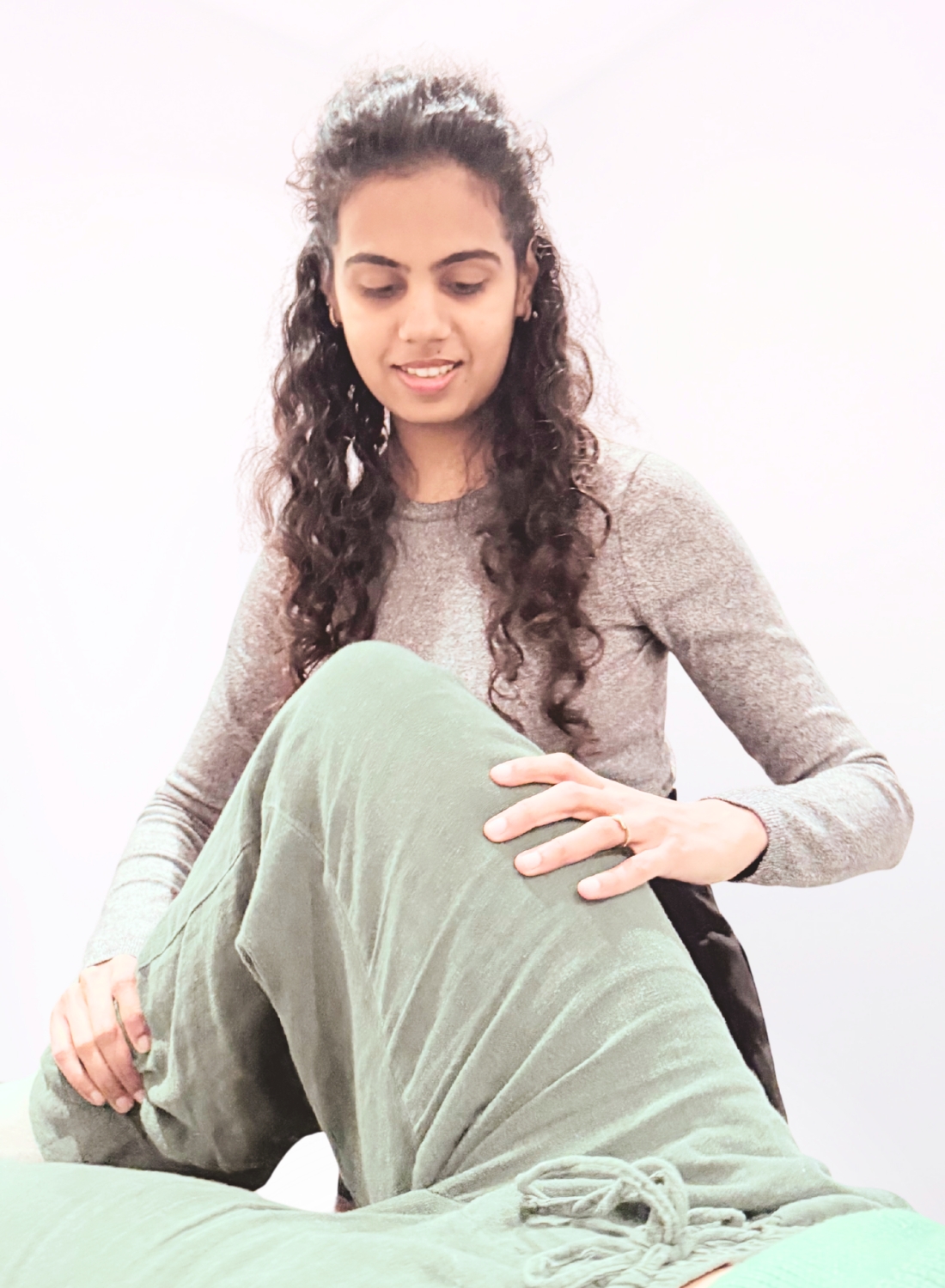
Helping you find clarity, balance, and control.
Recovering from a concussion or vestibular disorder can feel overwhelming, especially when symptoms linger. At Forge, our physiotherapists offer specialized concussion rehabilitation and vestibular therapy to help restore balance, reduce dizziness, and retrain the body’s coordination systems. With focused treatment, movement-based strategies, and genuine support, we’ll help you move forward with clarity and confidence.
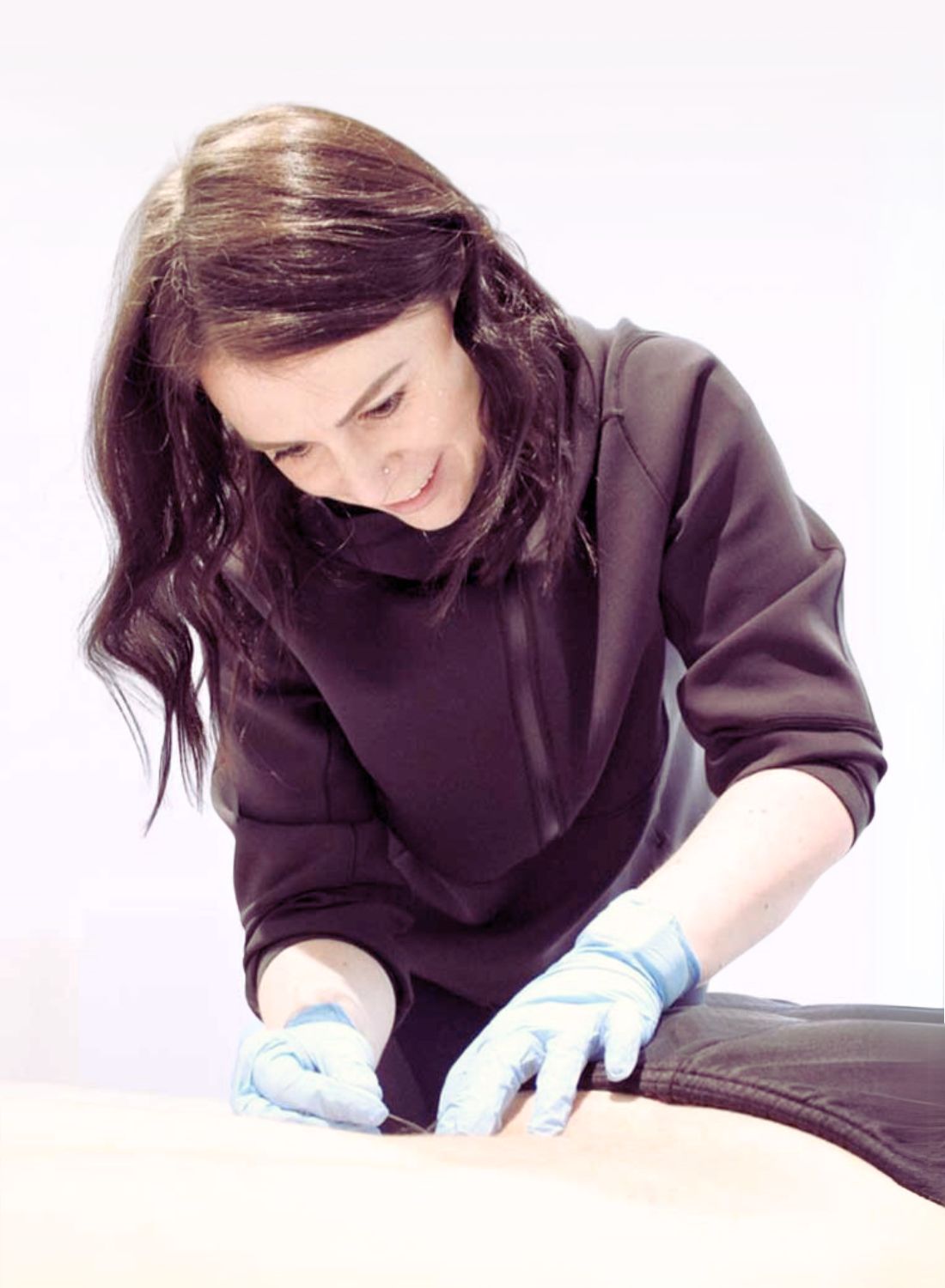
EASE TENSION. RESTORE NATURAL MOVEMENT.
Jaw pain, clicking, or tension can be more than a nuisance – they’re often signs of temporomandibular joint dysfunction (TMD), a condition that affects how your jaw moves, rests, and recovers. At Forge, we take a personalized approach to TMJ physiotherapy, combining assessment, hands-on care, and movement retraining to ease discomfort and restore natural function so you can feel more like yourself again.
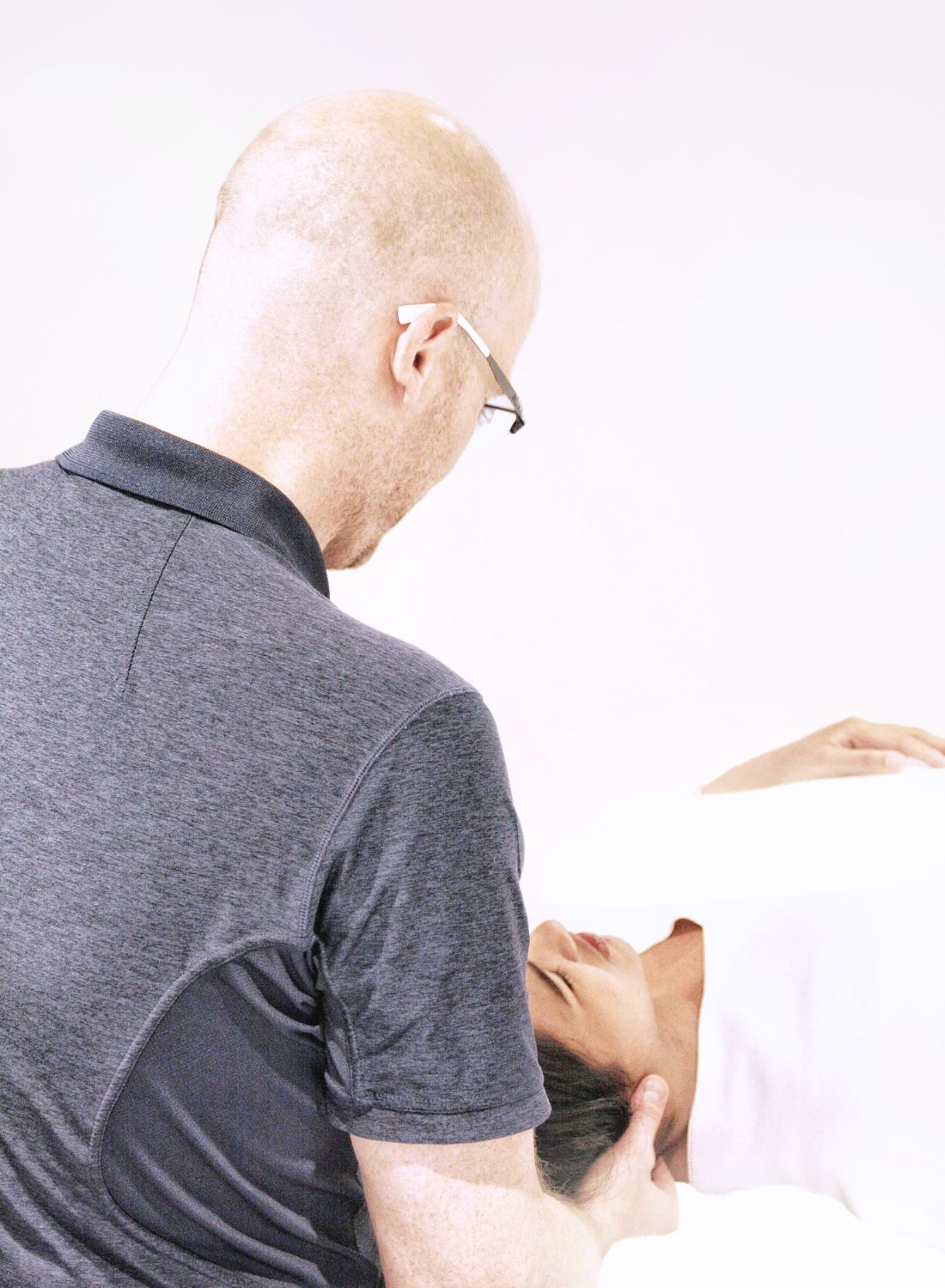
Care design around comfort, function and confidence.
Pelvic health concerns can affect how you move, feel, and function in everyday life. Our pelvic health physiotherapists provide personalized care for pelvic pain, bladder and bowel concerns, sexual health, pelvic floor dysfunction, and pregnancy and postpartum recovery. Treatment is tailored to your needs, helping reduce symptoms, improve function, and build confidence in your body.

Move smarter. Play stronger.
From weekend warriors to professional athletes, we bring a deep knowledge of injury rehab and movement science to help you recover smarter. With a focus on sport-specific movement, hands-on therapy, and long-term resilience, we’ll guide you back to performance safely, efficiently, and with confidence.
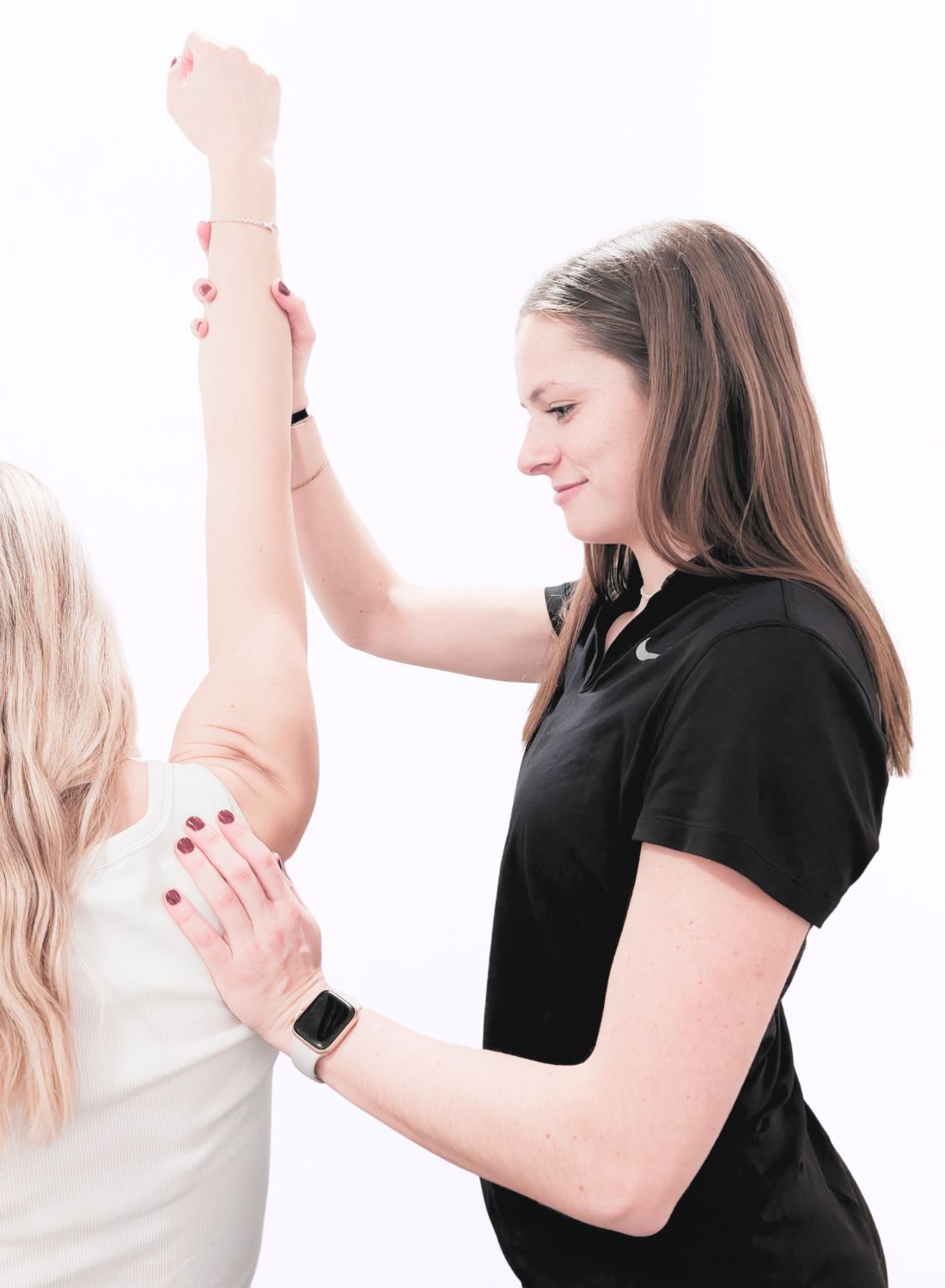
STAY STRONG. MOVE WELL.
Staying strong, mobile and confident becomes increasingly important as we age. Physiotherapy can help maintain strength, support bone and joint health, improve balance and reduce the risk of falls. Whether you’re noticing changes in mobility or simply want to stay active and independent, we’ll help you build the strength and physical capacity to keep doing the things that matter to you.

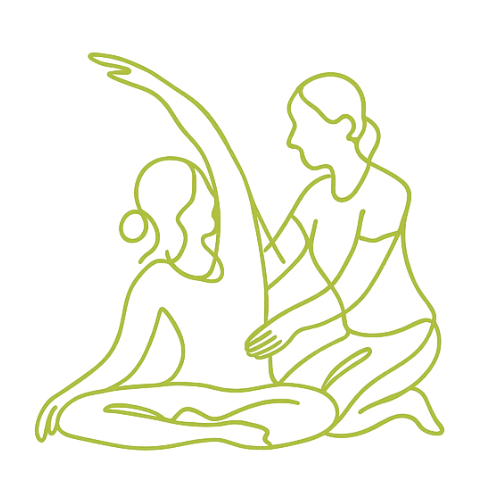
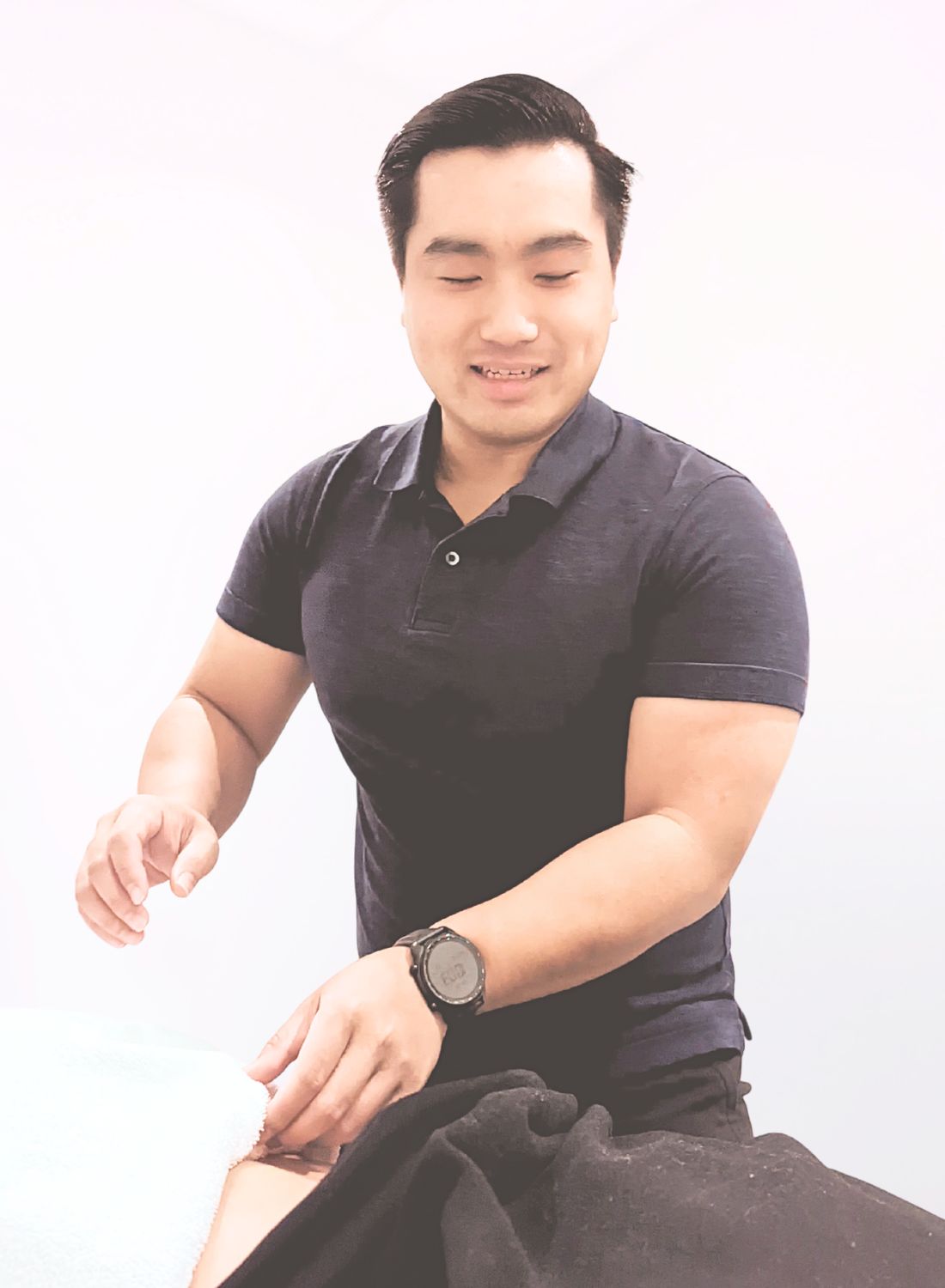
Hands-on techniques that release tight muscles, reduce joint restrictions, and help restore natural movement.
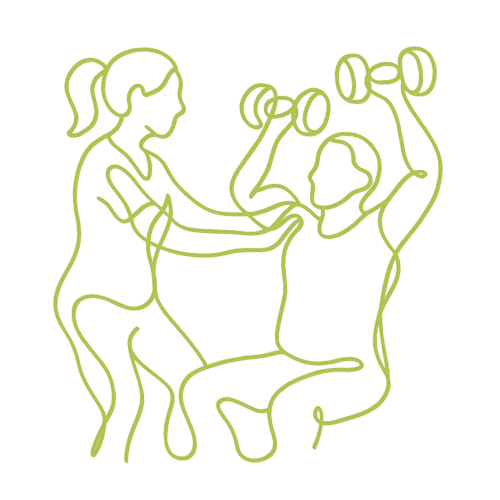
Targeted movements designed to rebuild strength, stability, and mobility, guided step-by-step by your physiotherapist.
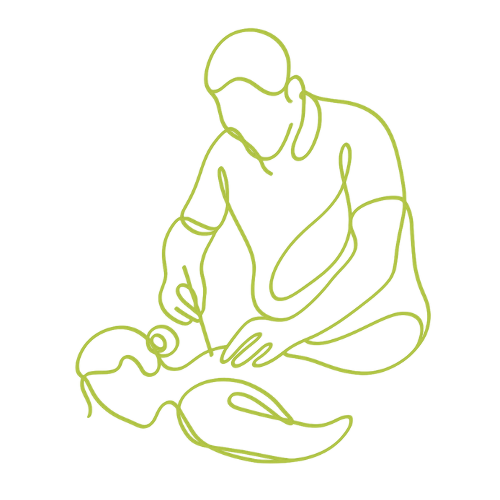
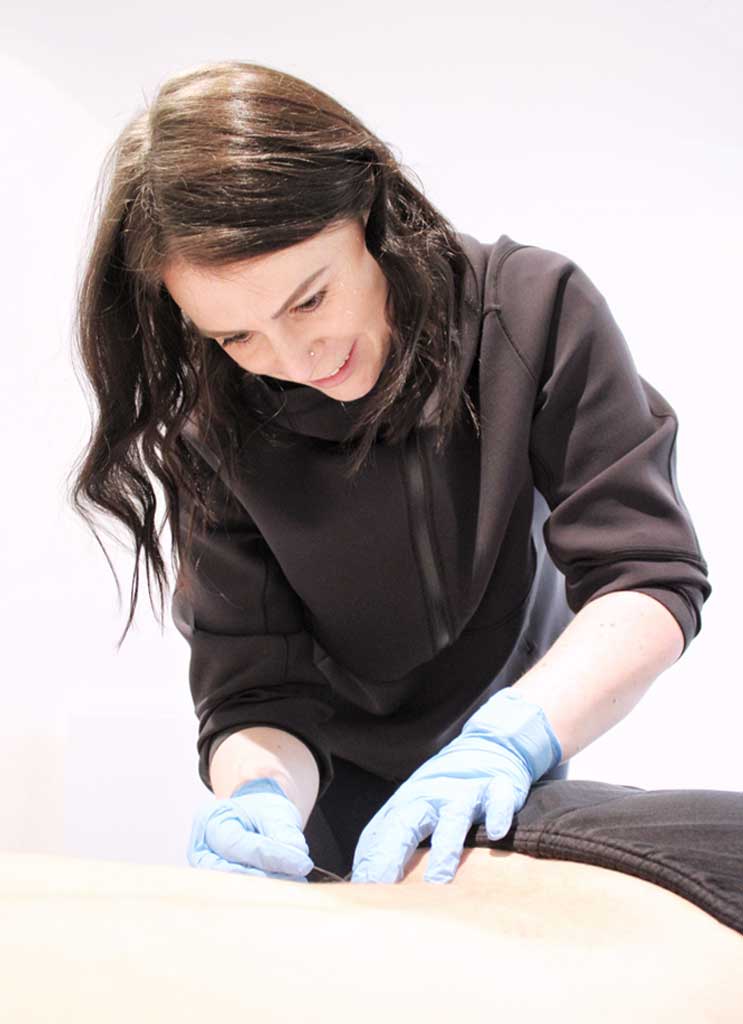
Fine needles are used to target tight or sensitive muscles, helping reduce muscle tension and improve movement.
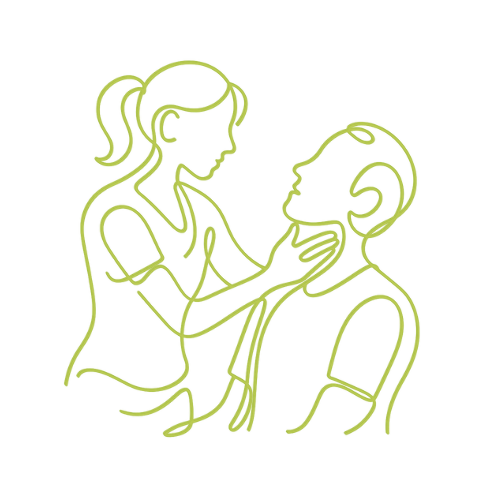
Exercises that help retrain the brain-body connection – useful for injury recovery, fall prevention, and chronic pain management.
Targeted exercises and movement strategies to improve pelvic floor coordination, strength and function, tailored to your individual needs.
We’ll help you understand what’s going on in your body and equip you with techniques and tools you can use beyond the clinic.
By blending evidence-based techniques, personalized exercises, and regular reassessments with your lifestyle and goals in mind, we create a plan designed to keep you moving forward.
We start with a detailed physiotherapy assessment of your movement, strength, mobility and symptoms to understand what’s contributing to the problem and where your care should begin.
From there, we build a treatment plan around your needs, goals and lifestyle, blending evidence-based techniques, hands-on care and targeted exercise to help you move forward.
Your sessions bring together the therapies that best support your recovery, from hands-on treatment and targeted exercise to movement retraining and other techniques, adapting your care as you progress.
We regularly reassess your movement, strength and symptoms alongside how you’re feeling and functioning, adjusting your care as you progress toward your goals.
Beyond your sessions, we’ll give you exercises, strategies and practical tools to help you build on your progress, move with confidence and stay active beyond the clinic.
No. You can book directly with a physiotherapist at Forge Health without a doctor’s referral. We’ll take the time to understand what’s been bothering you, assess how you’re moving and help you figure out the right next steps. Some extended health plans may require a referral for reimbursement, so we recommend checking the details of your individual plan before your visit.
You don’t necessarily need to wait until the pain is gone before starting physiotherapy. In many cases, getting the right guidance early can help you understand what you can safely do while your body recovers. Our Burnaby physiotherapy team can assess your symptoms, movement and function, then help you find an appropriate starting point based on your injury and how you’re feeling.
Yes. We can direct bill many extended health insurance plans. Our team will do our best to make the billing side of your visit simple, so you can focus on your care. Coverage varies between insurers and individual plans, so we recommend checking your physiotherapy benefits beforehand if you’re unsure about your coverage.
Yes. We provide physiotherapy for eligible ICBC and WorkSafeBC claims. Navigating an injury and a claim at the same time can feel like a lot, so our team will help make the process as straightforward as possible. Your treatment will be based on your individual injury, recovery and goals, while coverage will depend on the details and status of your claim.
No. In many cases, you can see a physiotherapist without having an X-ray, MRI or other imaging first. Your physiotherapist will listen to what you’ve been experiencing and assess your movement, strength, mobility and symptoms to better understand what may be contributing to the problem. If your assessment suggests that further medical evaluation or imaging may be appropriate, we can help guide you on the next steps.
Come in comfortable clothing that allows you to move and gives your physiotherapist access to the area being assessed. If you have relevant imaging, medical reports or information related to your injury or condition, you’re welcome to bring it along. Most importantly, just come as you are — we’ll guide you through the rest once you’re here.
• Back and neck pain
• Sprains and strains
• Tendon injuries
• Joint injuries
• Repetitive strain injuries
• Motor vehicle injuries
• Work-related injuries
• Pain with movement
• Stiffness
• Reduced mobility
• Swelling
• Weakness
• Muscle tightness
• Difficulty walking
• Difficulty lifting
• Joint replacement
• ACL reconstruction
• Rotator cuff repair
• Spinal surgery
• Meniscus surgery
• Fracture repair
• Ankle or foot surgery
• Other orthopedic surgeries
• Pain
• Stiffness
• Swelling
• Weakness
• Limited mobility
• Difficulty walking or using stairs
• Difficulty returning to work and sports
• Difficulty returning to daily activities
• Concussion
• Post-concussion syndrome
• BPPV (positional vertigo)
• Vestibular neuritis
• Labyrinthitis
• Vestibular migraine
• Persistent dizziness
• Balance disorders
• Dizziness or vertigo
• Headaches
• Balance problems
• Motion sensitivity
• Blurred or unstable vision
• Nausea with movement
• Difficulty concentrating
• Sensitivity to light or noise
• TMJ dysfunction (TMD)
• Bruxism / teeth grinding
• Jaw clenching
• Jaw joint irritation
• Jaw muscle dysfunction
• TMD-related headaches
• Post-dental jaw pain
• Jaw mobility restrictions
• Jaw pain or tenderness
• Clicking or popping
• Jaw stiffness
• Pain with chewing
• Difficulty opening your mouth
• Facial tension
• Headaches
• Jaw locking or catching
• Pelvic floor dysfunction
• Pelvic organ prolapse
• Urinary & bowel incontinence
• Pregnancy & postpartum concerns
• Diastasis recti
• Pelvic pain
• Pain with intercourse
• Hypermobility-related pelvic concerns
• Bladder or bowel leakage
• Pelvic pressure or heaviness
• Pelvic, hip or low back pain
• Pain with intercourse
• Urinary urgency or frequency
• Core weakness or abdominal separation
• Difficulty returning to exercise or sport
• Pain or symptoms with lifting
• ACL & MCL injuries
• Meniscus injuries
• Rotator cuff injuries
• Achilles tendinopathy
• Patellofemoral pain / runner’s knee
• Tennis & golfer’s elbow
• Plantar fasciitis
• Ankle sprains
• Knee pain
• Shoulder pain
• Ankle or foot pain
• Pain running or jumping
• Joint instability
• Weakness or stiffness
• Recurring sports injuries
• Difficulty returning to sport
• Recurring muscle strains
• Repetitive strain injuries
• Tendinopathy
• Joint stiffness
• Muscle imbalances
• Mobility restrictions
• Persistent aches and pains
• Previous or recurring injuries
• Recurring pain or soreness
• Muscle tightness
• Stiffness after activity
• Limited mobility
• Weakness or fatigue
• Pain with certain movements
• Reduced confidence with activity
• Difficulty maintaining activity levels